The long and contested history of Bigfoot sightings in North America has produced a vast catalogue of eyewitness accounts, photographic evidence, and field investigations, and among the most discussed cases are those involving park rangers, logging crews, and remote wilderness encounters. Researchers and skeptics alike continue to debate the nature of these reports, which range from fleeting glimpses of a large bipedal figure at the tree line to detailed narratives of extended encounters in dense forest. Organizations such as the Bigfoot Field Researchers Organization, founded in 1995, have documented thousands of reported sightings across the United States and Canada, while academic researchers have generally attributed such accounts to misidentification of known wildlife, hoaxes, or folklore. The following overview examines some of the most notable cases and the themes that recur across them.

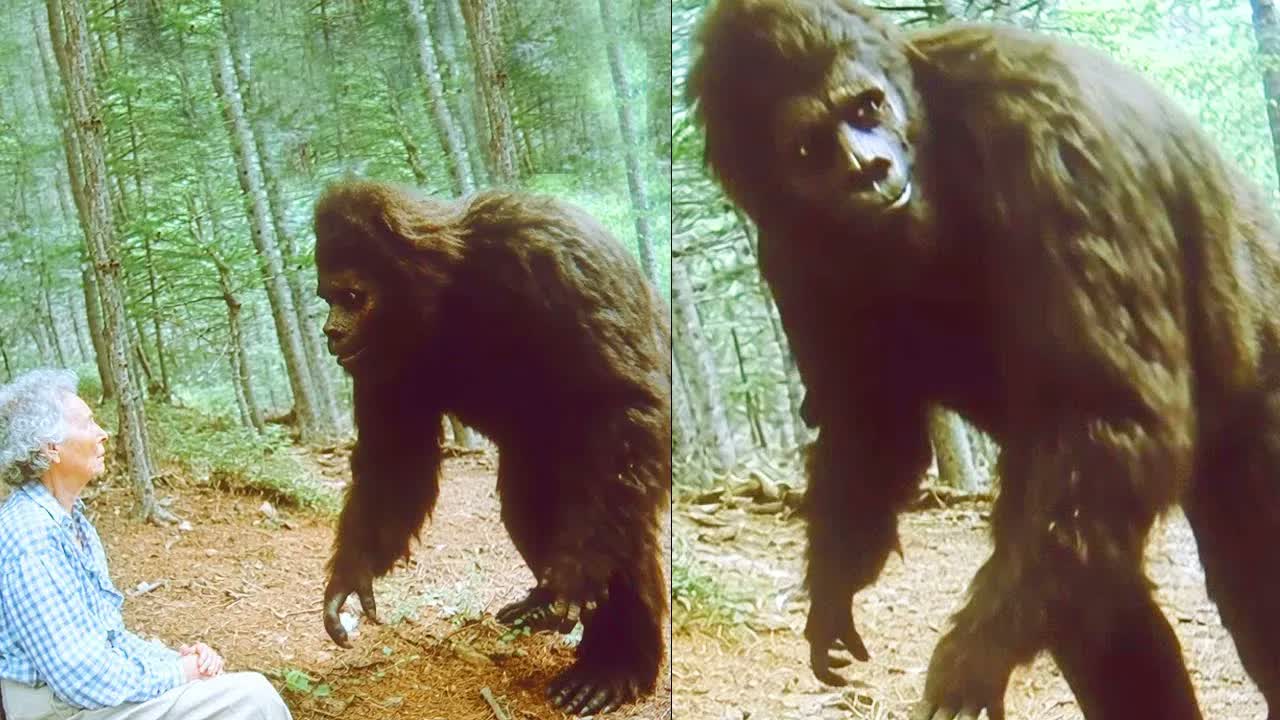
Among the most frequently cited categories of Bigfoot reports are those attributed to park rangers and forestry personnel, whose work places them in remote areas for extended periods. Accounts of this kind often describe large tracks, unusual vocalizations, and the sensation of being observed from concealed positions in the timber. While many of these stories circulate informally and lack verifiable documentation, they have become a staple of regional folklore in areas such as the Pacific Northwest, the Rocky Mountains, and the Appalachian range. Investigators who collect such reports emphasize that witnesses are often experienced outdoorsmen and women who are familiar with local wildlife and are unlikely to misidentify a bear or a deer. Skeptics counter that fatigue, low light, and the power of expectation can produce compelling but unreliable perceptions, particularly in dense forest where visibility is limited.

The Pacific Northwest remains the most storied region in Bigfoot lore, largely because of the famous 1967 Patterson-Gimlin film, shot near Bluff Creek in northern California. The short film, which appears to show a large, hair-covered bipedal figure walking away from the camera, has been analyzed for decades and remains the subject of intense dispute. Proponents point to the apparent muscle movement and gait as evidence of an unknown primate, while skeptics have argued that the figure is a person in a costume. Regardless of its true nature, the film cemented the region’s association with the phenomenon and inspired generations of amateur investigators. Subsequent sightings in Washington, Oregon, and British Columbia have often been reported in similar terrain: dense coniferous forest with limited road access, abundant wildlife, and steep, difficult ground that discourages casual visitation.

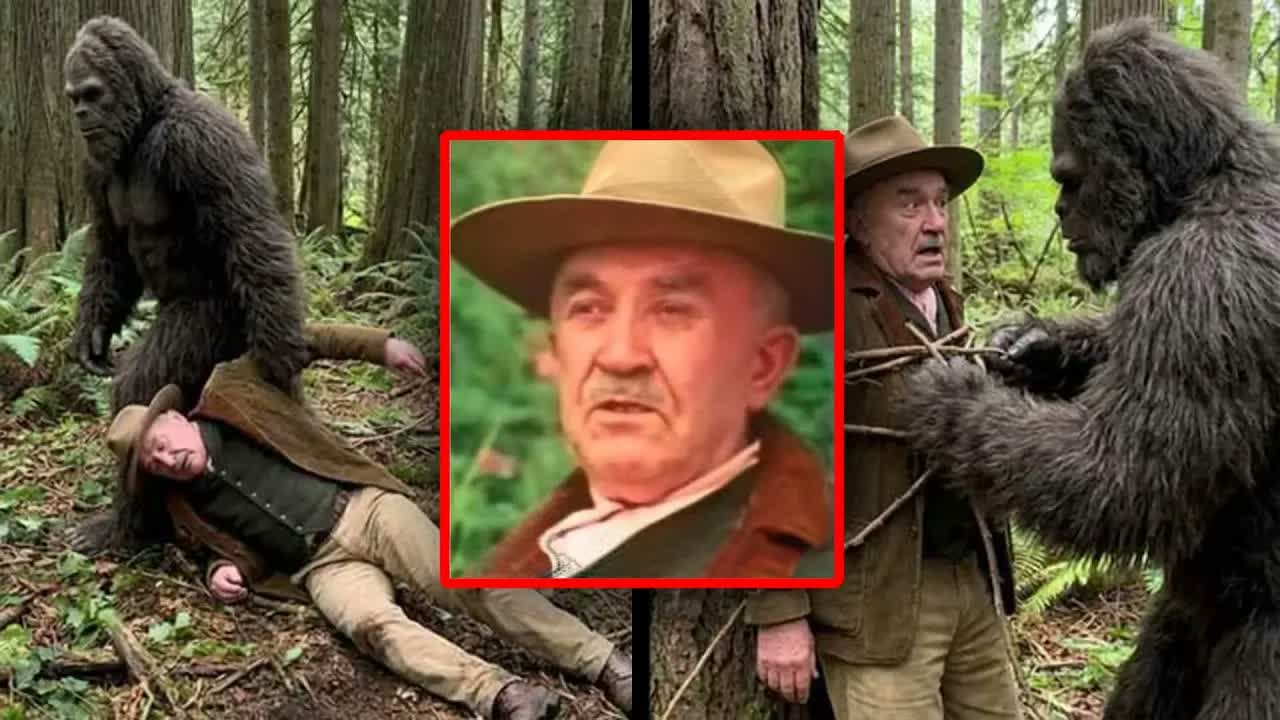
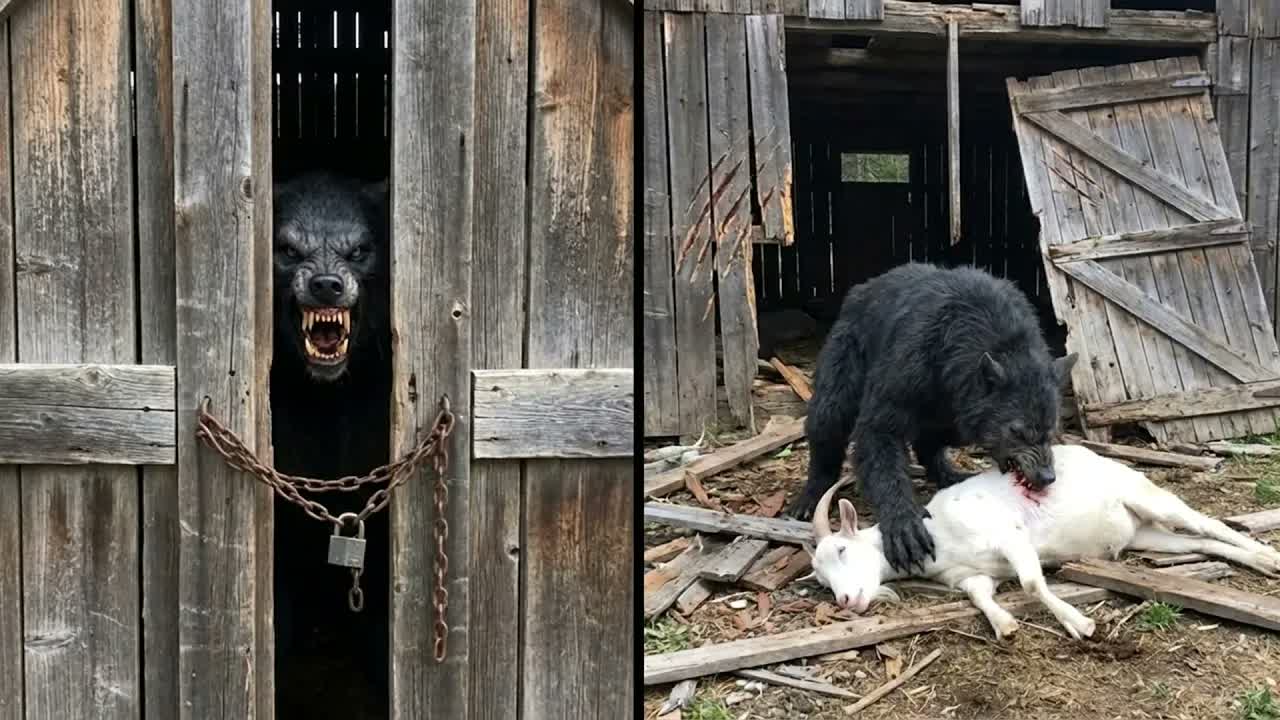
Logging crews and timber survey teams have occasionally featured in reported encounters, and these accounts tend to emphasize the isolation of the work and the strangeness of the sounds and tracks encountered. One widely circulated narrative describes a survey party working in dense Douglas fir when a member of the crew detected movement upslope and later discovered what appeared to be a clearing marked by extensive ground disturbance. Such stories often include descriptions of large claw marks on tree trunks at heights well beyond human reach, scattered debris, and vocalizations that witnesses describe as deeper and more powerful than any known animal. Investigators who interview such witnesses note that the accounts are often consistent in their broad details, though the absence of physical evidence such as skeletal remains or DNA has prevented scientific acceptance. Critics note that logging sites are environments of heavy machinery, falling timber, and disturbed ground, all of which can produce ambiguous evidence that is easily misinterpreted.

A recurring element in many reported encounters is the presence of what witnesses describe as juvenile or family groups, with accounts suggesting that larger individuals remain concealed while smaller ones are glimpsed. These narratives often include claims of coordinated vocalizations, parallel movement through the forest, and a sense of being watched by multiple unseen observers. Researchers who study the folklore note that such details give the stories internal consistency and emotional power, transforming a simple sighting into a narrative about family, protection, and the unknown. From a scientific standpoint, however, no such group has ever been documented, and the absence of a type specimen remains the central obstacle to acceptance. Wildlife biologists point out that large-bodied primates require substantial food resources and would likely leave identifiable traces, and that no such traces have been confirmed despite decades of searching.

The broader cultural impact of Bigfoot sightings extends well beyond the question of whether the creature exists. The phenomenon has generated a substantial tourism industry in rural communities, inspired films, television series, and books, and provided a shared language for discussing the limits of scientific knowledge and the enduring appeal of the unexplored wilderness. Many towns in the Pacific Northwest and elsewhere have adopted Bigfoot imagery as part of their local identity, and annual festivals and museum exhibits draw visitors from across the country. For anthropologists and folklorists, the persistence of the legend reflects deeper cultural themes: the tension between human settlement and wild places, the desire for mystery in a mapped and monitored world, and the long tradition of frontier tall tales. Whether one regards the reports as evidence of an undiscovered species or as a modern expression of older myths, the sightings continue to fascinate the public and to generate new accounts each year.
In the end, the most notable Bigfoot sightings share certain features: they occur in remote forested terrain, they are reported by witnesses who often describe themselves as skeptical before the encounter, and they resist definitive verification. The absence of conclusive physical evidence has not diminished public interest, and organized efforts to document the phenomenon continue through field research, witness interviews, and the analysis of purported footprints, hair samples, and audio recordings. Most scientists remain unconvinced, citing the lack of a type specimen and the prevalence of misidentification and hoaxing, while believers argue that the vastness of North American wilderness leaves room for an undiscovered large mammal. What is certain is that the question of Bigfoot remains one of the most durable mysteries in American folklore, sustained by a steady stream of reports and by the enduring human fascination with what might still be hiding in the trees.