In April 2025, the California Supreme Court issued a ruling that reverberated through Los Angeles County’s criminal justice system and reopened one of the city’s most closely watched gang prosecutions. Timothy Joseph McGee, a former leader of the Atwater Village street gang known as Tunerville Reefer 13, or TVR-13, had his three murder convictions and his death sentence reversed in a unanimous decision. The court did not find him innocent. Instead, it found that the trial judge had improperly removed a juror during his 2009 trial, a juror who had expressed doubts about the credibility of several gang members testifying for the prosecution. The ruling means that a man prosecutors described as responsible for a violent crime spree between 1997 and 2001 will receive a new trial or a new sentencing proceeding, more than fifteen years after he was sent to death row.

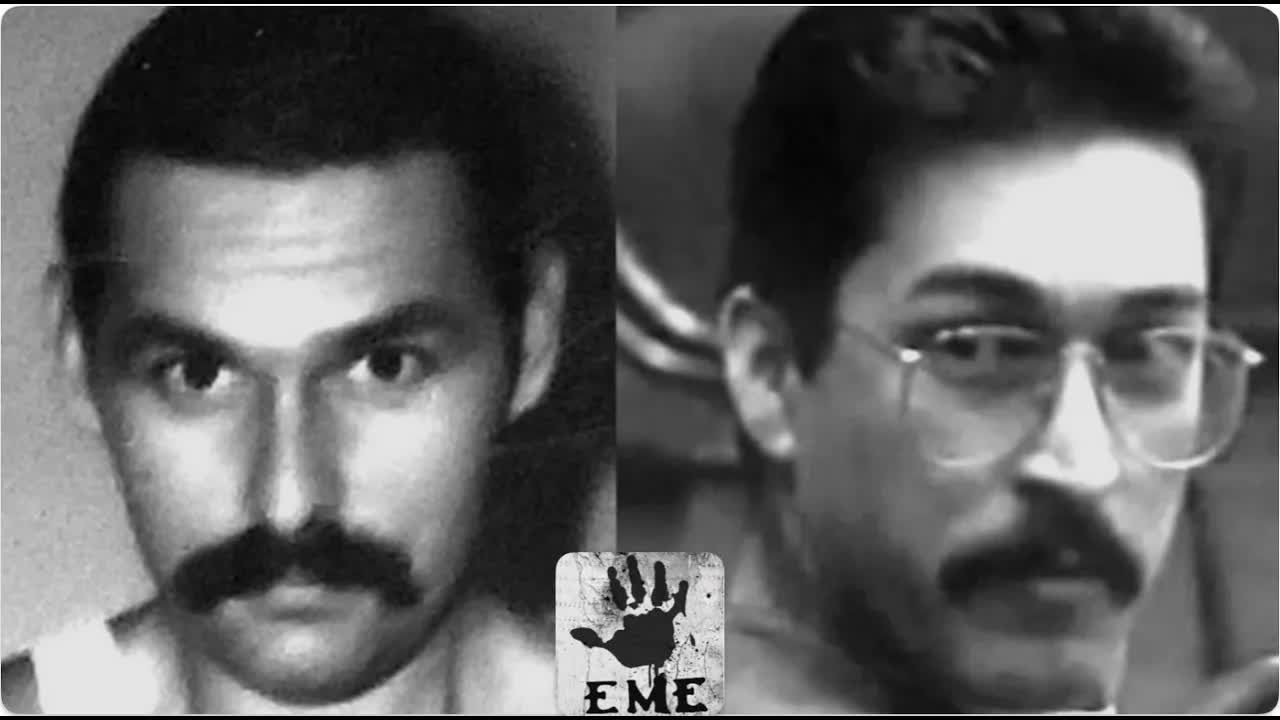
The case against McGee, born on April 27, 1973, to a Scottish American father and a Mexican American mother, has long been one of the more unusual stories to emerge from Los Angeles gang enforcement. McGee, known on the streets as Huero for his pale complexion and sometimes as Eskimo, did not fit the conventional profile of a gang shot caller. Neighbors in Atwater Village recalled a kid who skateboarded around the block, and some said they knew him only as a local youth before his reputation hardened. According to trial testimony, McGee’s first significant prison term came between 1993 and 1997, when he served four years for assaulting a police officer. Former TVR-13 members later testified that he returned to the neighborhood a changed man: organized, ambitious, and willing to use violence to elevate the gang’s standing. Prosecutors alleged that from 1997 to 2001, McGee ran one of the most violent cliques in Los Angeles while technically on parole and without formal employment.

The prosecution’s case rested heavily on the testimony of former gang associates, many of whom testified under protection agreements, as well as on ballistics evidence and rap lyrics found in McGee’s possession. According to trial testimony, McGee was involved in the 1997 shooting of Ronald Martin, a member of a rival Frogtown gang who was shot multiple times after crossing into the wrong territory. That same year, Pedro Sanchez and Juan Cardiel were shot; Cardiel survived but was left paralyzed. On July 4, 2000, prosecutors alleged that McGee fired at two Los Angeles Police Department officers. A jury later convicted him of murdering 16-year-old Ryan Gonzalez, who was killed in TVR-13 territory, and Marjorie Mendoza, who was shot on November 9, 2001, while sitting in a car; her girlfriend survived the shooting. Prosecutors argued that McGee personally participated in several shootings rather than merely ordering them, and ballistics evidence linked the same firearm to multiple crimes. A detective who had worked gang units for decades later described McGee as unusual among shot callers because he was hands-on, a characterization that became a central theme of the prosecution’s narrative.

The most troubling chapter of the case, according to court records and trial testimony, involves the death of a witness. On the same night Mendoza was killed, a woman named Christina Duran gave a videotaped statement to LAPD Detective Jose Curillo implicating McGee in the shootings. Within weeks, Duran was dead. McGee was never charged in connection with her death, and no witnesses came forward, though investigators and prosecutors treated her killing as a direct warning to anyone considering cooperating with police. The episode shaped the atmosphere around the case and complicated the manhunt that followed. After Duran’s body was discovered in November 2001, the LAPD assembled a multi-agency task force with the FBI and the U.S. Marshals Service. McGee’s photograph appeared on wanted posters across the northeast Los Angeles area, and he was placed on a most wanted list with a reward offered for information. Yet tips were scarce. In the neighborhood, residents who had seen what happened to Duran were reluctant to speak with investigators, and detectives later acknowledged that fear was a significant obstacle. McGee remained local for months rather than fleeing, moving between safe houses, according to sources cited at the time, and one detective described the situation as a suspect hiding in plain sight while frightened residents declined to cooperate.

McGee was ultimately taken into custody in February 2003, at a convenience store in Bullhead City, Arizona, after a customer recognized him from media coverage. His trial, held in 2009, lasted months and drew attention for the prosecution’s use of gang testimony and rap lyrics. Jurors heard from former TVR-13 members who described a strict hierarchy in which McGee sat at the top, with trusted associates and younger members beneath him. One former member testified that McGee ran the neighborhood with absolute authority, and the prosecution’s gang expert described a structure in which loyalty was enforced through violence. The defense argued that the lyrics were artistic expression and that the testimony of cooperating gang members was unreliable. During deliberations, however, a dispute arose over Juror Number Five, who questioned why so many gang members would risk their lives to testify against McGee and suggested their accounts seemed rehearsed. The trial judge removed the juror, a decision that the California Supreme Court later found violated the defendant’s rights. Writing for a unanimous court, Justice Goodwin Liu held that the removal of a dissenting juror undermines the integrity of the entire verdict. The ruling reversed the murder convictions and the death sentence but did not address McGee’s guilt, leaving open the possibility of retrial.

The Supreme Court’s decision has renewed debate about how the justice system handles gang prosecutions that depend on cooperating witnesses, and about the safeguards that protect jurors who express skepticism during deliberations. For the families of Ronald Martin, Ryan Gonzalez, and Marjorie Mendoza, the ruling offers no resolution, only the prospect of another trial years after the original verdict. Prosecutors have indicated that they intend to pursue the case again, and McGee remains in custody as the legal process continues. The case also illustrates the difficulty of building cases in neighborhoods where witness intimidation has long shaped the relationship between residents and law enforcement. McGee’s conviction had been presented as a landmark achievement in the fight against gang violence in northeast Los Angeles; its reversal now stands as a reminder that procedural protections apply even to defendants accused of the most serious crimes. Whether a new jury reaches the same conclusion remains to be seen, but the Supreme Court’s ruling has ensured that the story of Timothy McGee, and the violence attributed to him, will be examined once more in a courtroom.