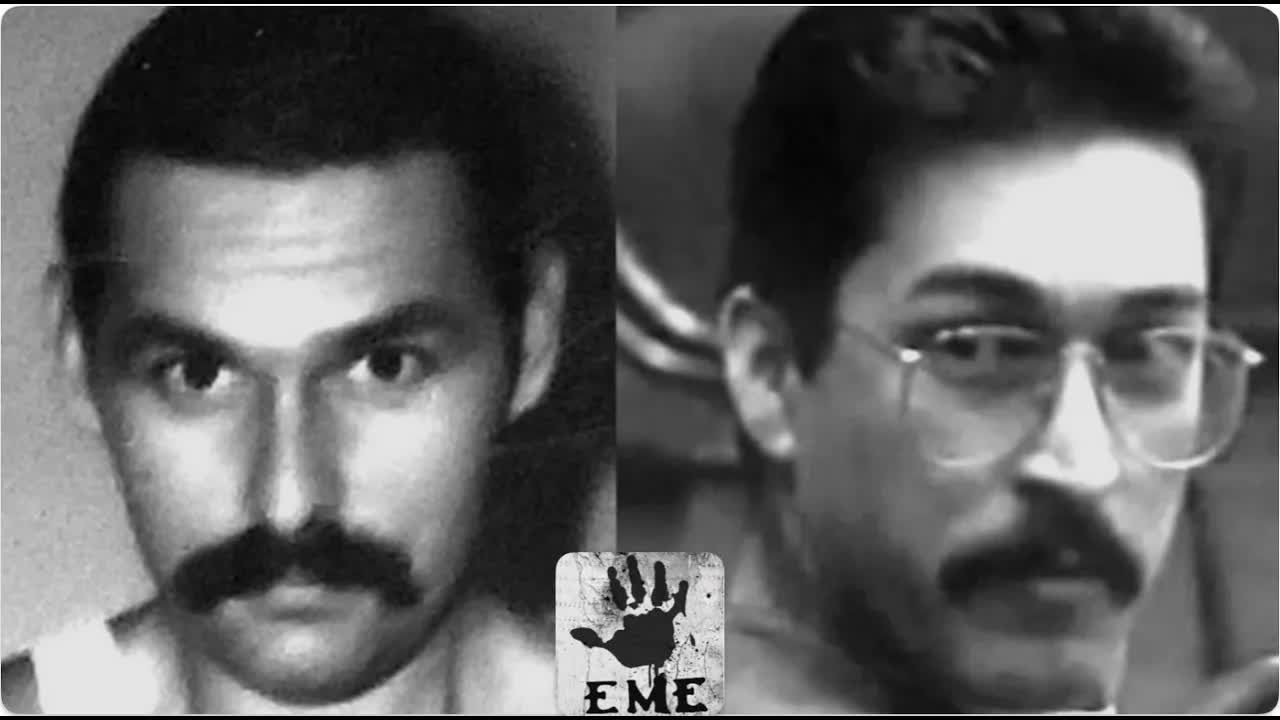
Frank DeCicco walked toward his Buick on 86th Street in the Dyker Heights section of Brooklyn on April 13, 1986, stepping out of the Veterans and Friends Social Club into the cool spring air. A man walking beside him bore enough resemblance to John Gotti to fool the surveillance team watching from a distance. When Frank opened the car door, an explosive device hidden beneath the vehicle detonated. DeCicco suffered fatal injuries. His companion, Lucchese family soldier Frank Bellino, survived with devastating wounds. Gotti had altered his plans and never arrived. The bombing was retaliation for the unauthorized killing of Paul Castellano, and it was intended to strike Gotti’s new administration before it could stabilize. Frank had helped Gotti seize the family, then accepted the position of second-in-command. Three months later, he was dead. Yet the crew Frank had led did not become leaderless after the explosion. The man who took command was already in place. His name was George DeCicco, and the real succession had occurred before the bomb.

The first correction concerns the family relationship. George DeCicco was not Frank’s brother. He was his uncle. Frank’s father, Vincent DeCicco, was George’s older brother and was also connected to the Gambino family. Later newspaper reports and Mafia summaries sometimes merged the relationship, describing George and Frank as brothers. Detailed family records identified George as Frank’s uncle. This distinction matters because the DeCicco family occupied more than one generation inside the Gambino organization. Frank was not merely another soldier standing beside an older relative. He rose faster and higher, becoming a captain and then the second-in-command. George traveled a quieter path, but the position he obtained outlasted Frank’s administration and most of Gotti’s leadership. Born in 1929, George spent decades in the gambling and loansharking world of Brooklyn. He became known as “George Big,” a name that matched his physical presence and the authority he later wielded in Bensonhurst and Bath Beach. He did not build a public image for himself. His value came from neighborhood relationships, disciplined earning, and the ability to supervise men without attracting the kind of attention that John Gotti attracted.

Gambino family records were closed for much of George’s early adult life, preventing new members from formally joining. Men could work for crews, commit crimes, and earn money for years without receiving the protection or authority of membership. When inductions resumed in the 1970s, the family selected only a limited number of candidates. Frank entered the family and developed strong relationships with prominent figures around Paul Castellano’s administration. He was practical, observant, and capable of speaking with both street-level members and men involved in the family’s business operations. In 1984, Frank was promoted to captain and given his own crew. George appears to have been brought in around the period of Frank’s promotion. By the end of 1985, the two men were positioned inside a family approaching the most dangerous leadership crisis it had faced in decades. John Gotti and the men allied with underboss Aniello Dellacroce had grown increasingly hostile toward Castellano. Members of Gotti’s crew faced a drug investigation supported by surveillance recordings. Castellano wanted those recordings and could have used them to discipline Angelo Ruggiero, Gene Gotti, and possibly John himself. When Dellacroce died on December 2, the mediator who had been holding the factions together disappeared. Frank DeCicco became one of the key figures in the conspiracy that followed. He had access to Castellano and enough credibility with senior members to help Gotti secure support. On December 16, Castellano and Thomas Bilotti were killed outside Sparks Steak House in Manhattan. The hit removed the boss but violated a fundamental rule of the Mafia. Gotti had not received formal approval from the Commission before eliminating the head of another family. The men who helped him did not know whether the other New York bosses would accept the new administration or punish everyone involved.

In January 1986, Gotti was recognized as the new leader of the Gambino family. Frank DeCicco became underboss. That promotion created an immediate vacancy at the head of Frank’s crew. George DeCicco took the position. An informant report from early February identified George as the new captain of Frank’s former crew. This timing changes the entire story. George did not inherit leadership because his nephew was killed. He took command when Frank moved into the administration, approximately three months before the explosion. The crew itself had a history older than either man’s promotion. It had passed through leaders connected to established Gambino neighborhoods in Brooklyn. Its members were not merely personal followers waiting for Frank to decide their future. They had gambling clients, street loans, business relationships, and obligations to the family administration. A change of captain therefore meant a change in who received reports, settled disputes, and delivered money upward. A poor transition could split loyalties or encourage soldiers to drift toward another powerful capo. Choosing George provided continuity. He knew the neighborhood, the men, and the DeCicco relationships that had helped Frank manage the group. The move also gave Gotti something important during his first weeks as leader. The administration was new and its authority rested on the killing of the previous boss. By placing a trusted relative of his underboss over Frank’s crew, Gotti reduced uncertainty inside one of the groups most closely tied to the takeover. The transition also reveals how Gotti’s organization rewarded loyal families and circles. Frank’s promotion placed him beside the leader. Giving the crew to George kept its soldiers and earning operations inside the DeCicco network. That reduced the risk that an outsider would split the group or challenge the men who had supported the seizure of power. George ran his affairs through a social club on Bath Avenue in Brooklyn. The crew’s world included gambling, loansharking, extortion, and the personal enforcement that protected those operations. Unlike an underboss, a captain remains close to the people who collect debts, accept bets, and settle disputes in the neighborhood. George’s authority was narrower than Frank’s, but it was immediate and direct.

Then came the retaliation. The killers of Castellano tried to conceal their plans from Vincent Gigante, leader of the Genovese family and an ally of the murdered Gambino boss. Later accounts and cooperating witness testimony attributed the bombing conspiracy to figures from the Genovese and Lucchese families, including Gigante, Vittorio Amuso, and Anthony Casso. The objective was to punish Gotti and DeCicco for seizing the family without permission. According to later reconstruction, a bomb was placed under Frank’s car while teams watched the club. Gotti was expected to be present, but he changed his schedule. When Frank emerged with Bellino, the watchers mistook Bellino for Gotti and detonated the explosives. Contemporary investigators immediately recognized that the attack might be retaliation for Castellano. They did not yet possess the full account that would later emerge through informants and cooperating mobsters. The use of a bomb carried a message in itself. New York Mafia killings generally avoided explosives because they endangered bystanders and attracted exceptional attention. Whoever ordered this attack wanted Gotti’s faction to understand that the normal restraints had been suspended. Immediate FBI reports recorded that confusion. Agents knew Frank had entered the car and that high-powered explosives had destroyed it. They knew a second organized crime figure had been severely injured. They also began monitoring Gambino family locations for signs that the bombing would trigger retaliation. At Frank’s funeral, agents saw Gotti receive a level of respect greater than they had observed before Castellano’s death. Men greeted him as the undisputed leader of the family. The bombing had killed Gotti’s deputy, but it did not visibly weaken the respect surrounding the new leader. Behind that scene, informant reports described armed men gathering near Gotti’s club and expectations of retaliation. A direct war against the Genovese or Lucchese families could have produced shootings across New York and brought pressure from every other boss. Gotti had to appear strong without revealing how little he knew about the bombing team. George faced the same tension at the crew level. His members could not abandon the streets because gambling and loansharking depended on daily contact. Yet every routine created an opportunity for surveillance or another attack. Continuing to operate after the explosion became evidence in itself that the DeCicco crew had not been broken.

Frank died only months after helping to create the new administration. His death removed the man Gotti had chosen to turn a successful takeover into stable leadership. Joseph Armone later served as underboss, and Frank Locascio eventually served within the administration. No one replaced Frank’s unique combination of influence, ambition, and support. For George, the bombing was both a personal loss and an organizational warning. His nephew had been killed outside a Brooklyn social club, in the same neighborhoods where George operated. The same forces that were hunting Gotti could strike anyone connected to the new order. Public retaliation threatened war with the Genovese and Lucchese families, while passivity would make the Gambino family appear weak. George chose the approach that defined the rest of his career. He remained quiet. That did not mean he abandoned Gotti. Federal authorities and witnesses later continued to regard George as a captain linked to Gotti’s administration, but he avoided becoming a public symbol of the new era. He did not stand beside the leader in front of cameras or compete for newspaper attention. His social club and his crew remained rooted in the neighborhoods that had produced them, and his authority endured long after the headlines about the bombing faded. The story of George DeCicco is therefore not a story of inheritance after a funeral. It is a story of a position already secured, a crew already transferred, and a man who understood that survival in the Gambino family often belonged to those who never sought the spotlight.