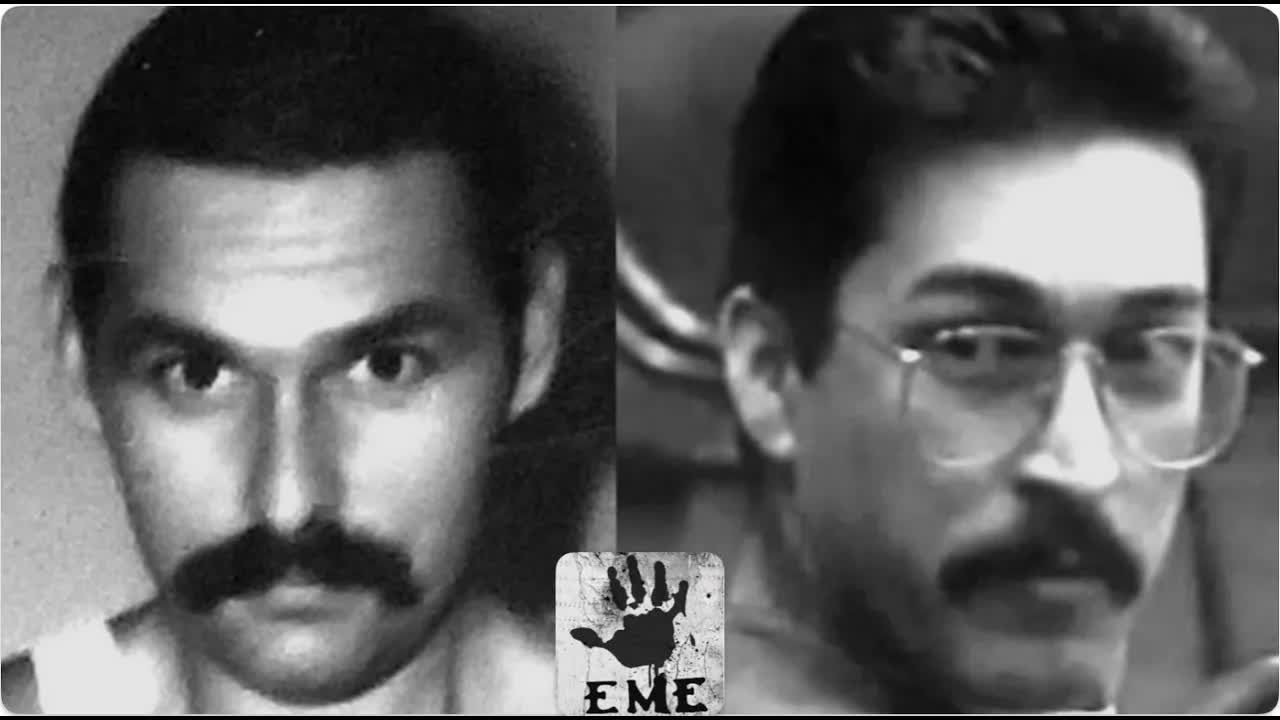
Mark “Turtle” Quiroz, a member of the Mexican Mafia who represents the North Side Colton faction, has spent roughly three decades inside California’s Security Housing Unit system, one of the most restrictive and controversial forms of incarceration in the United States. His case has become a reference point for discussions about gang designation, long-term isolation, and the way California manages inmates it considers among the most dangerous in its prison system. Quiroz, sometimes identified as “Little Turtle,” is described in public accounts as a made member of the Mexican Mafia, a prison-based organization whose influence extends into communities across Southern California. His story is less about a single crime than about the endurance of a man held for years in conditions designed to separate him from nearly all human contact.

The Security Housing Unit, commonly called the SHU, was created to control inmates who are deemed unmanageable in the general prison population. Pelican Bay State Prison, located on the coast of Northern California, became the best-known facility of its kind after it opened and began housing men in cells measuring roughly eight by ten feet. Inmates in the SHU spend about twenty-two and a half hours a day inside those cells. They are released for brief periods, often for a shower or for limited time in a small concrete exercise yard, and they are placed in restraints whenever they move outside their cell blocks. There are no windows in the unit, no classes, and no religious services in the traditional sense. Meals are passed through tray slots. Visits, when they occur at all, are conducted under heavy restrictions.

For Quiroz, those conditions have reportedly defined much of his adult life. Accounts of his incarceration describe more than thirty years in secure housing, a period that spans changes in California’s approach to gang management and repeated legal challenges to the SHU system. Supporters of the practice argue that segregation is necessary for the safety of staff and other inmates, particularly when an individual is believed to hold authority within a gang that can order violence both inside and outside prison. Critics counter that prolonged isolation produces psychological damage and that the designation process itself can be unreliable, sometimes relying on confidential information that inmates cannot effectively challenge. The debate over Quiroz’s case reflects that broader tension: whether a man is held in isolation because of what he has done, or because of what authorities believe he represents.

The Mexican Mafia, often referred to as eMe, is a prison gang that originated in California’s correctional system and later developed influence over drug sales and other criminal activity in Latino communities. Membership is associated with a structure of “carnales,” or trusted members, who are expected to carry out the organization’s decisions. Quiroz’s reported status as a made member and his association with North Side Colton place him within a network that authorities have long monitored. Law enforcement descriptions of the organization emphasize its discipline and its capacity to direct activity from inside custody, which is precisely the rationale officials cite for keeping certain members in the SHU. At the same time, researchers and defense attorneys have noted that gang validation can become a self-reinforcing cycle, in which association with known members, possession of certain materials, or information from informants can lead to indefinite segregation.

Over the years, journalists and legal observers have documented conditions inside Pelican Bay and other supermax facilities in detail. A CNN report from the 1990s described the SHU as a place built to control rather than rehabilitate, and it quoted inmates and staff who described an atmosphere of fear and hostility. The report included accounts of medical neglect, of a prisoner whose burst appendix went untreated for days, and of another who said his arm was broken during a cell extraction. It also described allegations of nepotism among prison administrators and a culture in which correctional officers were afraid to speak out. Those accounts were contested by prison officials at the time, and the state later paid settlements in some cases. The reporting helped fuel a wave of litigation that ultimately led to court oversight of SHU practices and to changes in how California handles long-term segregation.

For Quiroz, the practical result of those decades has been a life lived almost entirely inside a controlled environment. Public accounts suggest he has maintained his identity within the organization and has been regarded by authorities as a significant figure despite his isolation. Whether that isolation has been justified, and whether it has served public safety or simply hardened the person subjected to it, remains a matter of dispute. What is not disputed is the scale of the time involved: three decades in secure housing is an extraordinary span, longer than many prison sentences handed down for serious crimes. His case sits at the intersection of gang policy, prison reform, and the question of how long a society may separate a person from ordinary human contact before the separation itself becomes the story.