The future of Oliver Bearman in Formula 1 has become one of the most closely watched stories of the current driver market, and the young Briton now finds himself in the uncomfortable position of having to make his own case in public. Bearman, who has scored 23 of Haas’s 31 points this season, remains without a signed contract for 2027, even as his teammate’s deal is already secured. The situation has raised questions about how much control the 21-year-old actually has over his own career, and whether his recent comments to the media could ultimately work against him as negotiations continue behind the scenes.

At the heart of the matter is the complex web of relationships that governs Bearman’s future. Technically, the British driver does not belong to Haas; his rights are held by Ferrari, which has placed him at the American team as part of its young driver programme. This means that any decision about where Bearman races next season requires the approval of the Italian marque, and at present Ferrari appears to be in no particular hurry to return to the negotiating table. Team principal Ayao Komatsu had previously suggested that Ferrari would want to discuss Bearman’s situation towards the end of 2026, but as that moment arrives, there is little sign of the Scuderia burning to reopen talks. Instead, the feeling around the paddock is that Bearman has been left to wait in the rain while other parties pursue their own interests.
The broader context makes the delay all the more significant. Ferrari has already succeeded in placing another of its junior drivers at Haas, and a Toyota-backed driver was able to score points at a Grand Prix after being called up at short notice. That result has made things considerably more interesting for one of Haas’s major financial backers, and it may give Toyota additional leverage in shaping the team’s driver lineup after years of patience and waiting for the right opportunity. With multiple parties now invested in the outcome, Bearman risks becoming the one who loses out if he attempts to conduct the negotiations himself. The cautionary example of Esteban Ocon, who clashed with much of the paddock and ultimately found his Formula 1 survival dependent on the goodwill of Lance Stroll, is one that observers have been quick to cite.

What makes the current impasse so striking is that it follows a period in which everything appeared to be settled. Reports circulated that Haas had confirmed Bearman for 2027, but a closer reading of those stories reveals a small but crucial problem: the final agreement has not actually been signed. Komatsu has been happy to tell people that the young driver will be in the car, even without an official signature, and he has sought to downplay any suggestion of uncertainty by insisting that everyone is in agreement and that there is no doubt the deal will happen. Yet when asked directly about Ferrari’s involvement and the role of other business partners, the team principal prefers to keep those discussions private. The distinction matters, because it underscores that several parties are involved in a process that is far from complete.
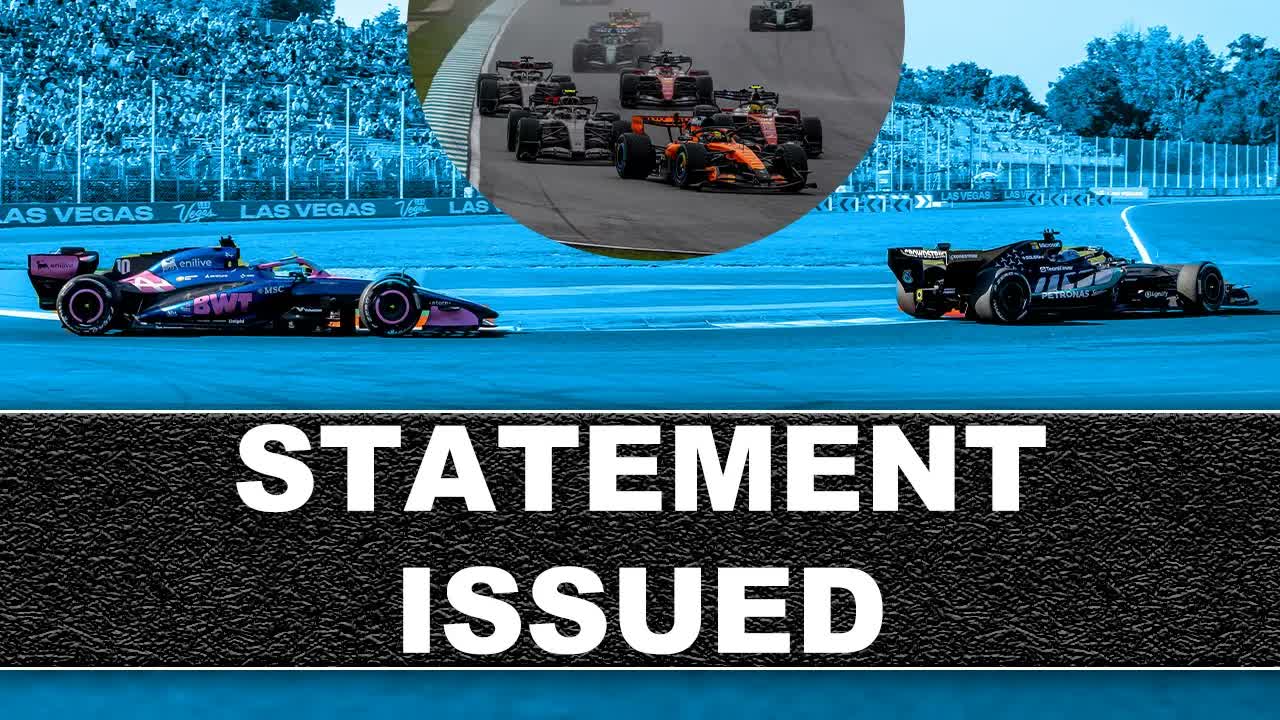
The situation has not been helped by Haas’s own communications. In its preview for the Las Vegas Grand Prix, the team proudly highlighted that it had secured its other driver, Rafa, on a contract for 2027, using that exact phrasing. That public emphasis on a signed deal for one seat inevitably draws attention to the absence of one for the other, and it has fuelled speculation about where the balance of power now lies within the team. Bearman, for his part, has not been subtle about his frustration. Speaking to motorsport.com, he said there was honestly no excuse for being in this position without a signed contract, though he declined to say who exactly he was disappointed with. The remark was notable coming from a driver wearing Haas team colours, and it did not take long for observers to begin drawing their own conclusions.

There is, however, a strong argument that Komatsu genuinely wants to keep Bearman in the cockpit. The team principal has watched the young driver score solid points in his car and demonstrate a measure of leadership during turbulent times, both amid financial pressures and now during a period of dramatic driver changes. The alternative would mean the additional stress of finding a new driver to lead the team or of fully integrating a replacement, and that is not an attractive prospect. Komatsu must also manage a team, and the more confidently he speaks about retaining Bearman, the easier it is for everyone at Haas to focus on next season rather than remain stuck in uncertainty, particularly given his own admission that many of this year’s problems will carry over into the next campaign. For morale, that messaging is undoubtedly valuable.
Yet the reality is that Komatsu does not fully control the situation. The involvement of Ferrari and Toyota means that Bearman’s fate rests on negotiations among parties with their own priorities, and the recent points finish by the Toyota-backed driver has only strengthened the case for those seeking greater influence over the team’s driver choices. After years of waiting and hoping to place one of their own drivers at Haas, Toyota now has a tangible result to point to, and that will add pressure to the discussions. The agreement that Haas may have negotiated with Ferrari and Bearman could have been reached at a time when matters were simpler and less developed, but the landscape has shifted considerably over the past two years, and the team itself has changed.

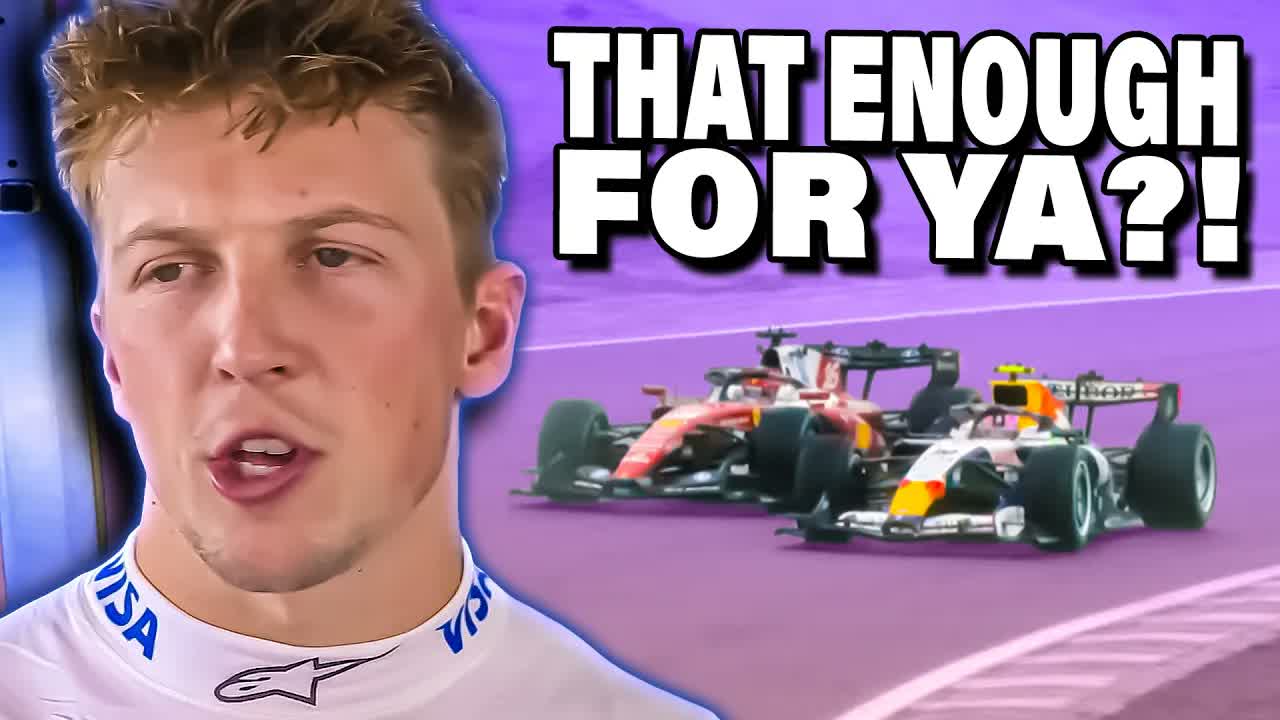
For Bearman, the personal toll of this period should not be underestimated. Having to explain to reporters why he deserves to stay in Formula 1 is an unfamiliar and uncomfortable position for a driver who has delivered the majority of his team’s points. The comparison with other drivers on the market is instructive: Valtteri Bottas and Liam Lawson have both faced questions about gaps in their contracts, and while those situations have since been resolved, the experience illustrates how quickly apparent certainties can unravel. Bearman’s case is different in that his future depends not only on his own performance but on the willingness of Ferrari and Haas to reach an agreement, and on how much weight Toyota’s ambitions carry in that conversation. Fans of other drivers may not be losing sleep over the situation, but for Bearman it represents a genuine threat to his career.
The young Briton’s decision to speak publicly about his frustration is understandable, but it carries risks. By stating that there is no excuse for the absence of a signed contract, he has applied pressure to the parties holding up the deal, yet he has also exposed himself to the charge of campaigning for a seat rather than letting his driving do the talking. For the team boss, the arrangement is convenient enough: Komatsu can continue to express confidence in Bearman while declining to discuss the involvement of Ferrari and other partners, and the driver is left to manage much of the uncertainty on his own. That imbalance is at the core of the story, and it explains why so many observers believe Bearman could talk himself out of a Formula 1 seat if he is not careful about how he handles the coming weeks.

Ultimately, the resolution will depend on decisions made far from the cockpit. Ferrari must decide whether to bring Bearman back into its plans or allow him to commit fully to Haas, and Toyota’s growing influence will shape how much room the team has to accommodate the preferences of its various backers. Bearman has done much of what has been asked of him, scoring points and showing composure in difficult circumstances, but in a driver market defined by leverage and timing, performance alone is not always enough. Whether he secures the contract he believes he deserves may come down to patience, diplomacy, and the willingness of others to sign on the dotted line, and the coming weeks are likely to determine whether his public frustration proves to be a turning point or a costly misstep.